

A practical guide for educators, trainers, and administrators looking to
leverage DESIPOC's platform’s powerful lesson management capabilities.
- Teacher: Ioannis Kakkos
A practical guide for educators, trainers, and administrators looking to
leverage DESIPOC's platform’s powerful lesson management capabilities.
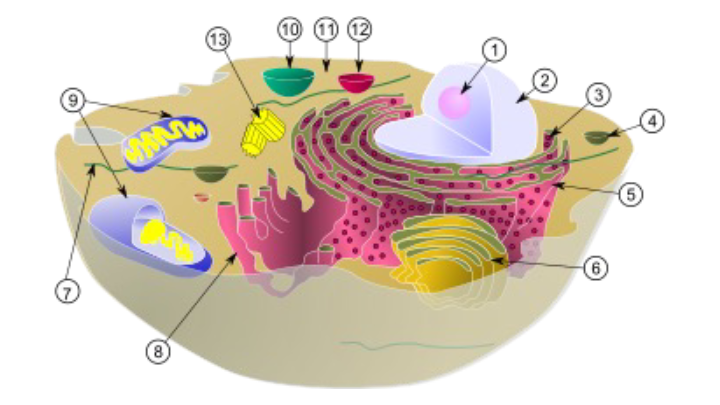
This course will survey the integration of engineering principles to medical diagnosis/treatment of disease and monitoring/measurement of physiological function. Case studies will be used to highlight how engineering has advanced medical practice and understanding. Examples will be drawn from bioelectricity, biomechanics, biotransport, bioimaging and medical decision support. Basic principles of science and engineering will be applied to formulate, study and solve problems at the interface of engineering, medicine and biology. The goal is twofold: first, to quantitatively study important functions of living systems (cardiac contraction, blood circulation, limb movement) and understand the underlying molecular, cellular, physiological mechanisms and second, to get insight into engineering principles that are necessary to develop systems and devices to improve health care. While the course will focus primarily on the engineering aspects of related topics, issues related with patient safety, public policy and regulation, animal and in silico experimentation, etc., will be discussed as appropriate.
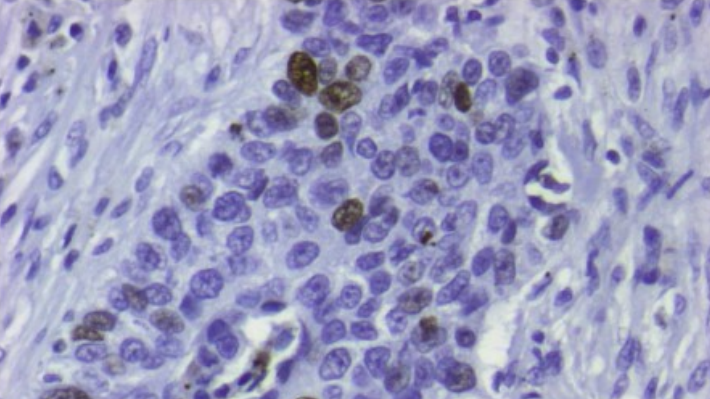
Emergency Telemedicine; Electronic Medical Record; Medical Imaging and Image Processing Techniques; Robotic Surgery - The Da Vinci System; Virtual Reality - Visualisation and VRML; Nuclear Magnetic Resonance; Electromagnetic Dosimetry for mobile communication terminal equipment. Virtual Simulation of Radiotherapy Treatment Planning.
Artificial Intelligence (AI) in the past decade has transformed industries around the globeproviding the potential to change the healthcare sector radically. Medical data are produced daily in large numbers either in Hospital Radiology Departments or in corresponding Microbiological Laboratories. All collected data as well as the procedures used for their collection, are able to be analyzed by AI and Deep Learning (DL) algorithms in order to optimize patient care viaattaining moreaccurate diagnosis and prognosis. During this course, students will become familiar with techniques which process and analyze bio-signals (electroencephalogram, electromyogram, electrocardiogram, etc.), two and three-dimensional image data representations (x-rays, CTscan, magnetic resonance imaging, etc.) as well as Diagnostic Support Systems using various techniques of AI and DL. Moreover, students will have the opportunity to apply AI / DL algorithms to real visual data / bio-signals.